
Soil mechanics is a branch of soil physics and applied mechanics that describes the behaviour of soils. Together with rock mechanics, it provides the theoretical basis for applied sciences such as geotechnical engineering (a branch of civil engineering) and engineering geology (a branch of geology). Soil mechanics differs from solid mechanics and fluid mechanics in that it deals with heterogeneous mixtures of mineral grains and fluids (typically water and air).
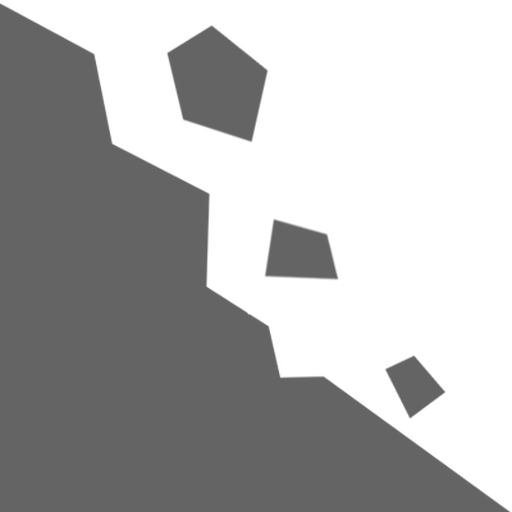
Soil mechanics primarily focuses on characterising the flow of fluid within soil and assessing and predicting deformations within natural and artificial soil massess (such as slopes or embankments) or in soil below or around engineering structures built on or buried in soils (such as building and bridge foundations, retaining walls, dams, and pipelines).
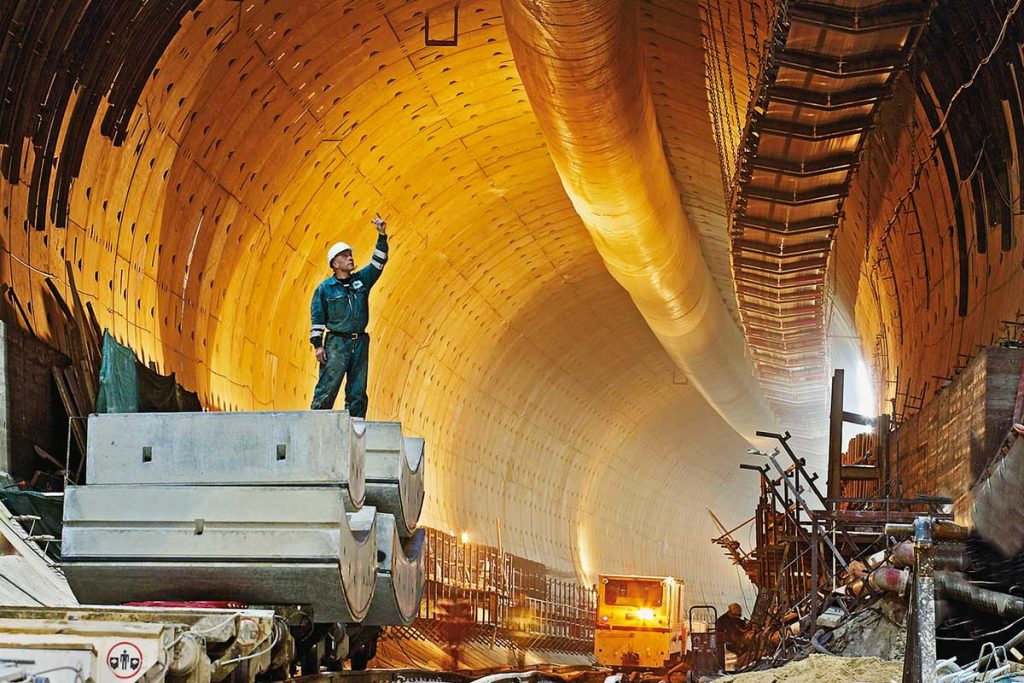
Several subjects rely on concepts and principles of soil mechanics, including geophysics, hydrology, and maritime engineering. In a broader sense, soil mechanics may also involve the study of soil formation by weathering and its transportation by wind and water. The formation process determines many of the physical properties of soil, such as its structure, composition, and relative density, which have a profound effect on the engineering behaviour of soil.
In soil mechanics, soil is the loose material covering the Earth’s surface resulting from the disintegration of rocks. It typically contains some amount of water, may contain organic material, and rests on an underlying solid layer called bedrock. Differently from other materials encountered in engineering, whose properties are known and can be adapted according to the structural design, the properties of soil are much more uncertain given their heterogeneity and the impossibility to explore them comprehensively down to large depths. This poses a challenge to civil engineers and engineering geologists during both the design and construction phases of engineering facilities.
Site characterisation is performed through field surveys, which may involve drilling holes or digging wells or trenches to access buried soil layers, or installing sensors to monitor deformations, temperature, and water pressures. Recent technological advances made it possible to collect soil information also through drones or even from satellites. Soil samples are usually taken at various depths in the ground and submitted to a variety of laboratory tests to characterise their composition, deformability, permeability, and other properties.
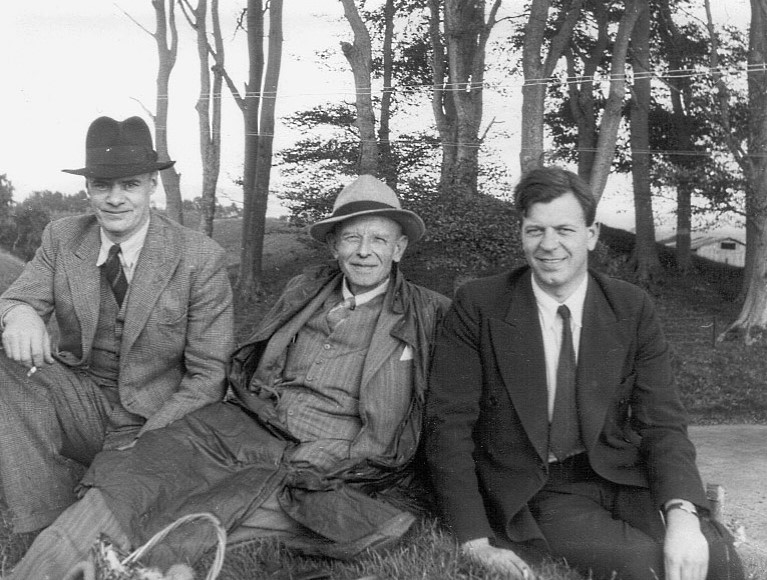
Soil mechanics is a rather recent discipline. It was codified as a science, based on the scientific method, only in the XX century thanks to the work of brilliant scientists such as Karl Terzaghi, Arthur Casagrande, Alec Skempton, Rudolph Glossop, and Alan Bishop. Today, it is a modern discipline with abundant ongoing research. It is taught in most university programmes of civil engineering and engineering geology.
 The Geohazards Group