
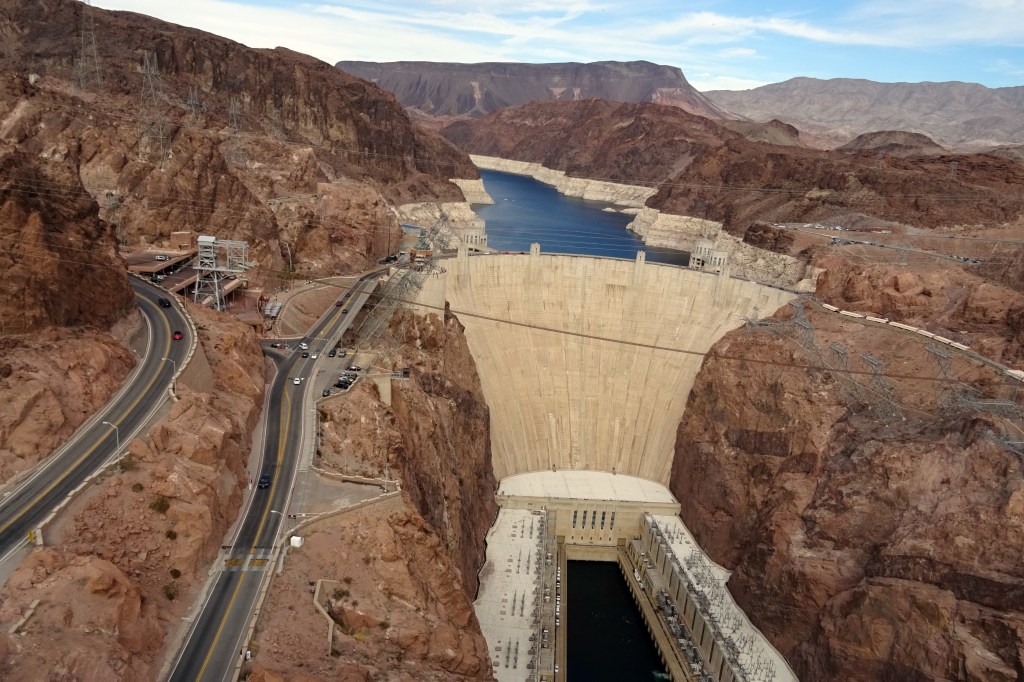
Engineering geology is the study of the interaction between the Earth and human-made structures. It combines principles from geology, civil engineering, and environmental science to evaluate the physical, geological, and environmental factors that influence the design, construction, and maintenance of infrastructure projects.
Engineering geologists are involved in a wide range of activities, including site investigations, slope stability analysis, rock mechanics, geological mapping, and risk assessment. Their work is crucial to ensure the safety, stability, and durability of engineering projects, from buildings and bridges to highways and dams.
One of the primary goals of engineering geology is to identify and evaluate the geological hazards that can affect engineering structures. These hazards include earthquakes, landslides, subsidence, soil liquefaction, and flooding. By understanding the geology of a site, engineers can design structures that can withstand these hazards and minimize the risk of damage or failure.
Another important aspect of engineering geology is the assessment of ground conditions for foundation design. Geology plays a critical role in determining the load-bearing capacity of the ground and the potential for settlement, which affects the stability and safety of structures. By studying the geological characteristics of a site, engineers can select the appropriate foundation type and design, such as shallow foundations, deep foundations, or soil improvement techniques.
Engineering geologists also play a crucial role in environmental assessments and remediation projects. They evaluate the impact of engineering activities on the environment and develop solutions to mitigate any adverse effects. For example, they may assess the potential for contamination of groundwater or soil during construction, or evaluate the impact of a proposed infrastructure project on local ecosystems.
In conclusion, engineering geology is a multidisciplinary field that plays a crucial role in ensuring the safety, stability, and sustainability of infrastructure projects. By combining principles from geology, civil engineering, and environmental science, engineering geologists can identify and evaluate the geological hazards and ground conditions that affect engineering structures. Their work is essential to enable safe and efficient construction and maintenance of infrastructure projects that benefit society.
[Powered by ChatGPT, v. 13.02.23]
 The Geohazards Group