
A Recap of the 2025 Energy Geostructures Industry Workshop
On December 4th and 5th, 2025, the academic and industrial spotlight turned to Aarhus, Denmark, for a pivotal gathering focused on the future of urban heating and cooling. Hosted at VIA University College, the Energy Geostructures Industry Workshop was a strategic convergence co-organized by VIA University College, COST Action FOLIAGE, and the CETPartnership Project LEG-DHC.
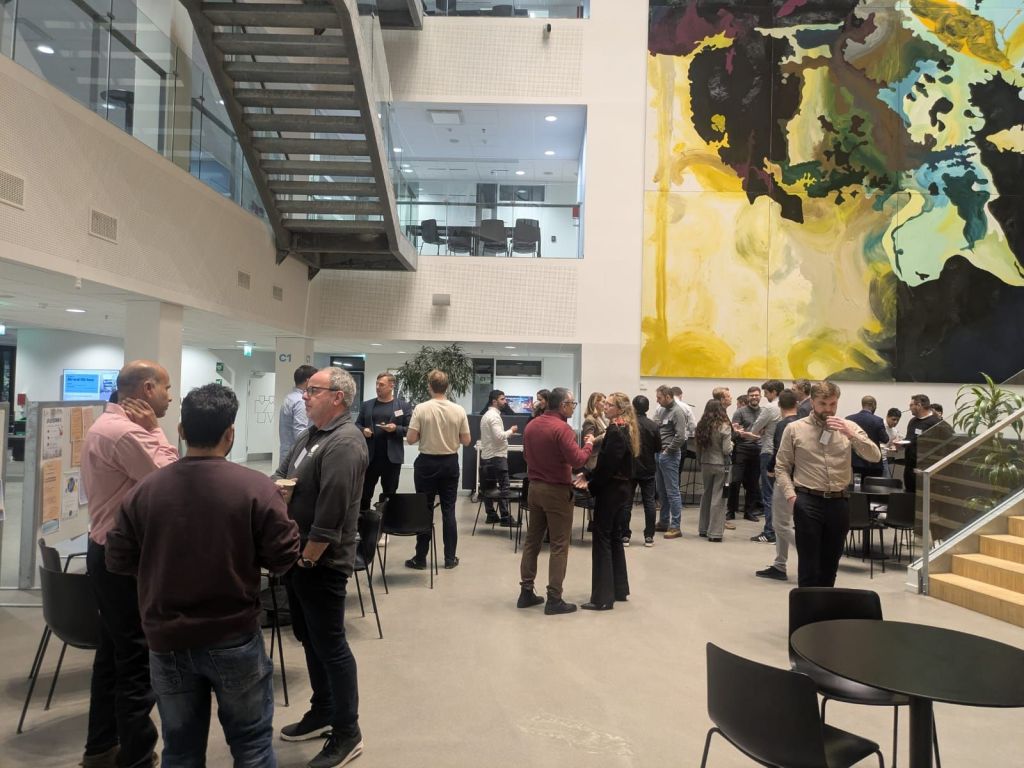
As Europe accelerates its efforts to decarbonize heating networks, the timing of this workshop was critical. The event brought together experts from Brazil to Estonia to bridge the gap between theoretical research and scalable, real-world implementation. Here is a look back at the key insights, technical breakthroughs, and field experiences that defined these two days.
Day 1: Global Technical Innovations
The workshop opened on the morning of December 4th with a sessopm dedicated to Advancing Technical Innovations in Energy Geostructures. While Prof. Hussein Mroueh and Prof. Rao Martand Singh set the stage with discussions on main challenges and driven energy piles, the session quickly moved into specific, high-impact applications.
Peter Wardingham from Centrum Pæl provided a crucial supplier perspective on the challenges of integrating precast energy piles at early project stages. This was complemented by Marco Gerola of Crux Engineering, who presented on the specialized application of energy quay walls in the Netherlands—demonstrating how port infrastructure can double as energy assets. The session concluded with a trans-Atlantic perspective from Prof. Cristina de Hollanda Cavazlcanti Tsuha, who shared a case study on the use of CFA and steel pipe energy piles in São Paulo, Brazil.
Integrating District Heating and Cooling (DHC)
The late morning session shifted focus to Shallow Geothermal DHC. Kristoffer Bested Nielsen delivered a keynote on the “Thermo-road,” a concept where energy geostructures enable district heating and cooling.
However, the session went deeper into the ecosystem required to make these systems work. Søren Erbs Poulsen presented a feasibility study and business case for shallow geothermal DHC based on energy piles in Rosborg, Vejle. To round out the system perspective, Giulia Cittadini from EGEC updated attendees on the status of Geothermal Source Heat Pump (GSP) systems , while Damien Parthoens from JAGA discussed the necessary end-user technology: low-temperature radiators tailored for shallow geothermal efficiency.

The Business of Energy: Models and Finance
Technology stalls without viable business models. The afternoon session, Business models and financing strategies, tackled the financial barriers to entry.
Søren Skjold Andersen of Thermonet Europe led with a keynote on financing models. The conversation then expanded to include diverse market approaches:
- GreenTAGS representatives Iulia Prodan and Octavian Bujor presented “Powering Tomorrow Locally,” focusing on sustainable heating and cooling solutions.
- Peter Hybertz Jarnved introduced Norsyn Energy Solutions as a “one-stop-shop” for district heating with thermonets.
- Richard Smith from Keller Group discussed the development of the geostructures market within the UK.
- Drew Alford from Energy Machines highlighted the “Energy as a Service” model, which aims to decarbonize heating and cooling while mitigating risk for the client.
Navigating the Urban Jungle
The first day concluded with a session on Regulations and challenges in the urban setting. Tony Amis from Endurant Energy (USA) highlighted the difficulties of retrofitting energy infrastructure in dense urban environments.
This session was particularly notable for its pan-European legal review. Luigi Abruzzese (INGV) discussed geothermal law and policy in Italy , Tanel Gehrke (Maakute OÜ) shared selling strategies for energy piles in Estonia , and Arkadiusz Pyczko (DPS) detailed the milestone of the first energy pile project in Poland.
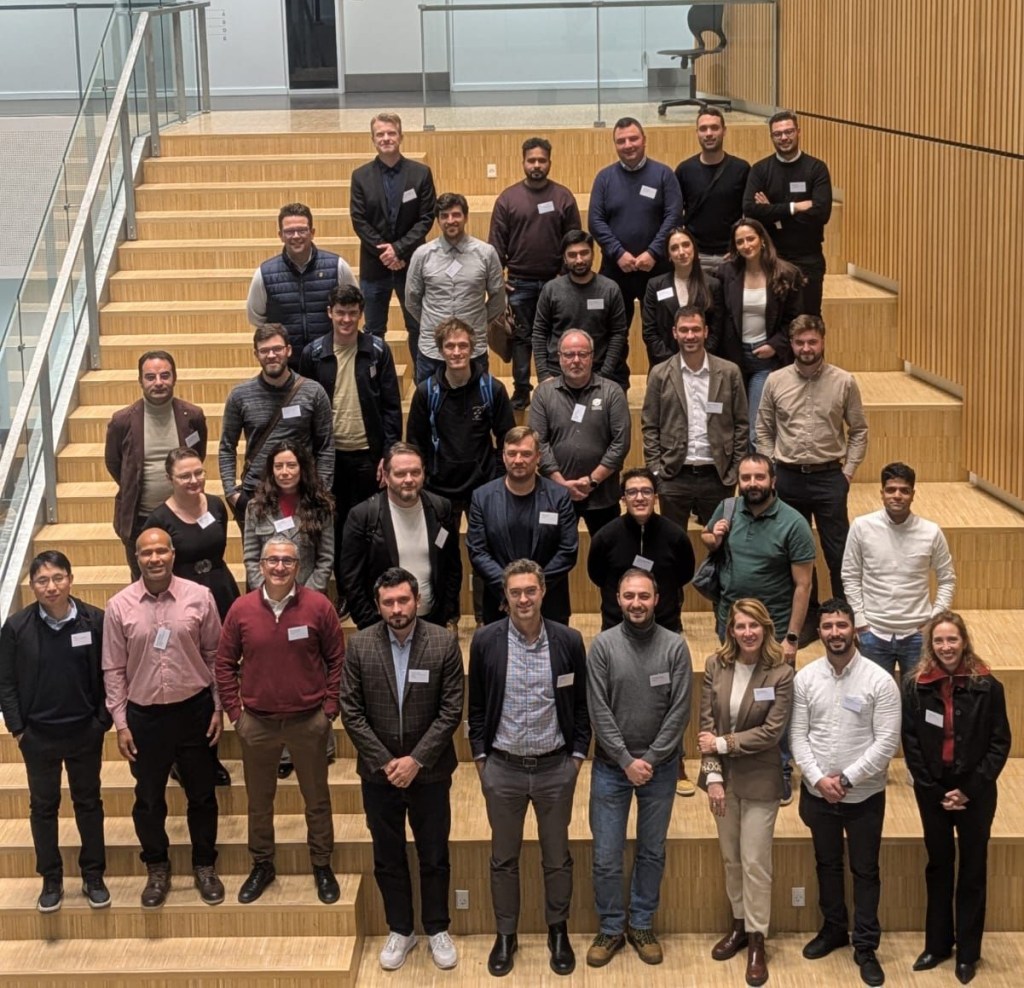
Day 2: Field Visits and Future Planning
On December 5th, the theory was put into practice. The morning was dedicated to a field site visit to the Thermo-road demonstrator.

Following the site visit, the LEG-DHC partners convened for their annual meeting. This internal session focused on the future of the consortium, including recruitment news, project extensions, and technical Work Package (WP) presentations on production, storage, and distribution by partners from UniPG, NTNU, and UCC. The event concluded with presentations from PhD and Post-Doc researchers, showcasing the next generation of talent in the field.
Further Reading & Resources
COST Action FOLIAGE: Learn more about the European network designated to harmonizing energy geostructure standards. https://www.ca-foliage.eu/
VIA University College Research: Explore the specific research projects and energy programs hosted by the event organizer. https://en.via.dk/research/built-environment-climate-and-water-technology/geothermal-cooling-and-heating
The Thermo-road project: Leran how an innovative technology combines heating, cooling and flood protection: https://thermonet.eu/projects/roads-of-the-future-can-provide-heating-and-cooling-via-thermonets-and-protect-against-extreme-rainfall/
 The Geohazards Group