
Publications
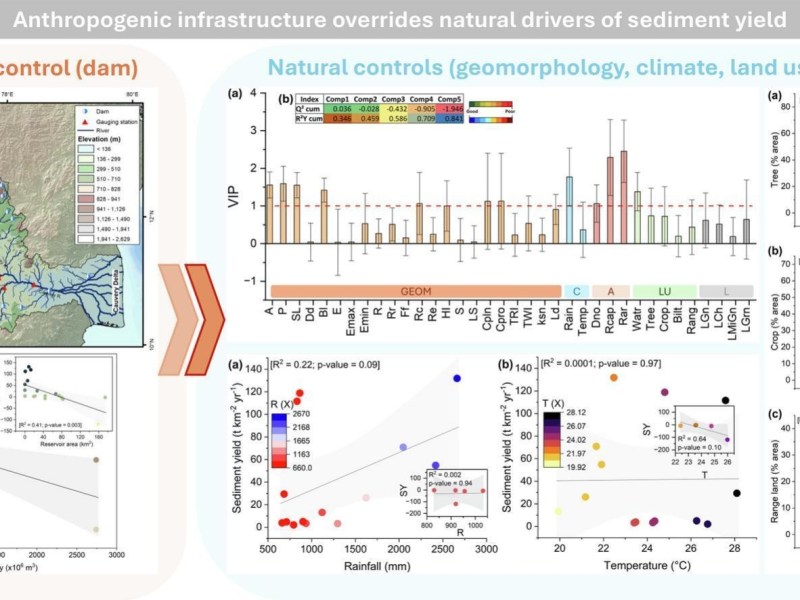
Anthropogenic infrastructure overrides natural drivers of sediment yield in a major monsoonal river basin
In rivers across the world, sediment yield—the amount of sand, dirt, and rock carried by water—is a big deal. It affects the longevity of reservoirs, the health of coastal deltas, and the survival of river ecosystems. In this study, we examined the Cauvery River basin in India to determine…

Atmospheric warming drives shallow rock slope instability via irreversible joint opening
Atmospheric temperature changes affect rock slope stresses and strains, with climate change potentially accelerating weathering and deformation. A study in Czechia predicts increased instability over the next century, emphasizing the importance of thermal regimes.

Permafrost Degradation: Mechanisms, Effects, and (Im) Possible Remediation
Permafrost degradation, driven by thawing, alters hydrological systems, increases greenhouse gas emissions, and threatens infrastructure stability. Current remediation strategies are limited, necessitating improved adaptation efforts through interdisciplinary research.

Sediment load decline and increased erosion linked to human activities in the Cauvery delta, India
Our recent study published in Catena highlights a critical sediment decline in India’s Cauvery Delta, with sediment at the terminal station dropping by 68% from 2000 to 2018, primarily due to human activities, particularly dam construction. This sediment starvation is causing significant coastline erosion, threatening the ecological balance and…
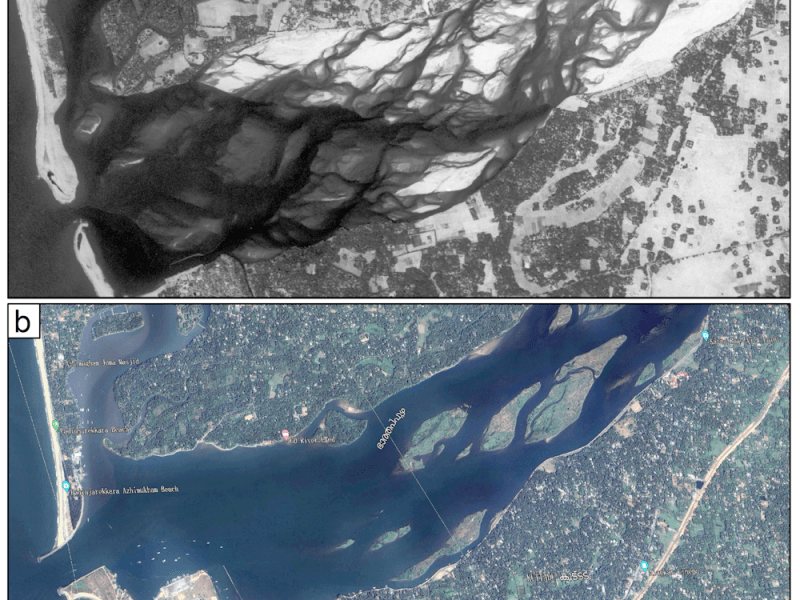
Local and broad-scale anthropogenic controls on sediment transport in the Western Ghats rivers
Sediment discharge in rivers is changing due to climate change and human activities. A study in India’s Western Ghats shows significant declines in sediment load, due to a combination of rainfall variations and human impacts, including illegal sand mining, highlighting the need for integrated management strategies to enhance ecological…

Influence of temperature on the residual shear strength of landslide soil: role of the clay fraction
The occurrence and fate of landslides are, among other factors, controlled by the shear strength of the materials involved and by how this strength changes during the landslide process. Temperature affects the strength of pure clays according to their mineralogy, stress history, and hydro-mechanical boundary conditions. However, natural soils…

Rapid evacuation of suspended sediment loads during landslides in steep gradient rivers
Mass wasting events, such as channelized debris flows, can result in heavy sediment fluxes in river systems. On July 30, 2024, a catastrophic debris flow in Wayanad, India, resulted in over 252 fatalities, and deposited approximately 5 million m3 of sediments into the Chaliyar River Valley. We measured sediment…

Pan-European Landslide Risk Assessment: From Theory to Practice
Assessing landslide risk is a fundamental requirement to plan suitable prevention actions. To date, most risk studies focus on individual slopes or catchments. Whereas regional, national or continental scale assessments are hardly available because of methodological and/or data limitations. In this contribution, we present an overview of all requirements…

Centrifuge modelling of a roto-translational landslide in a stiff clay formation
Roto-translational landslides usually exhibit creep deformation along sliding surfaces, showing transverse cracks on the ground surfaces. However, the scarcity of experimental data has significantly hindered a deep understanding of their failure mechanisms. This research probes into the rotational failure phenomena of landslides in stiff clay formations, utilizing geotechnical centrifuge…

Non-local μ(I) rheology improves landslide deposition modeling in MLS-MPM simulations
Gaining insights into landslide deposits form can help achieve a better understanding of the overall landslide dynamics. Previous studies have focused on understanding global characteristics of the runout process and final deposit, without attempting to comprehend the deposition process and the underlying mechanisms. Here, we employed a combination of…
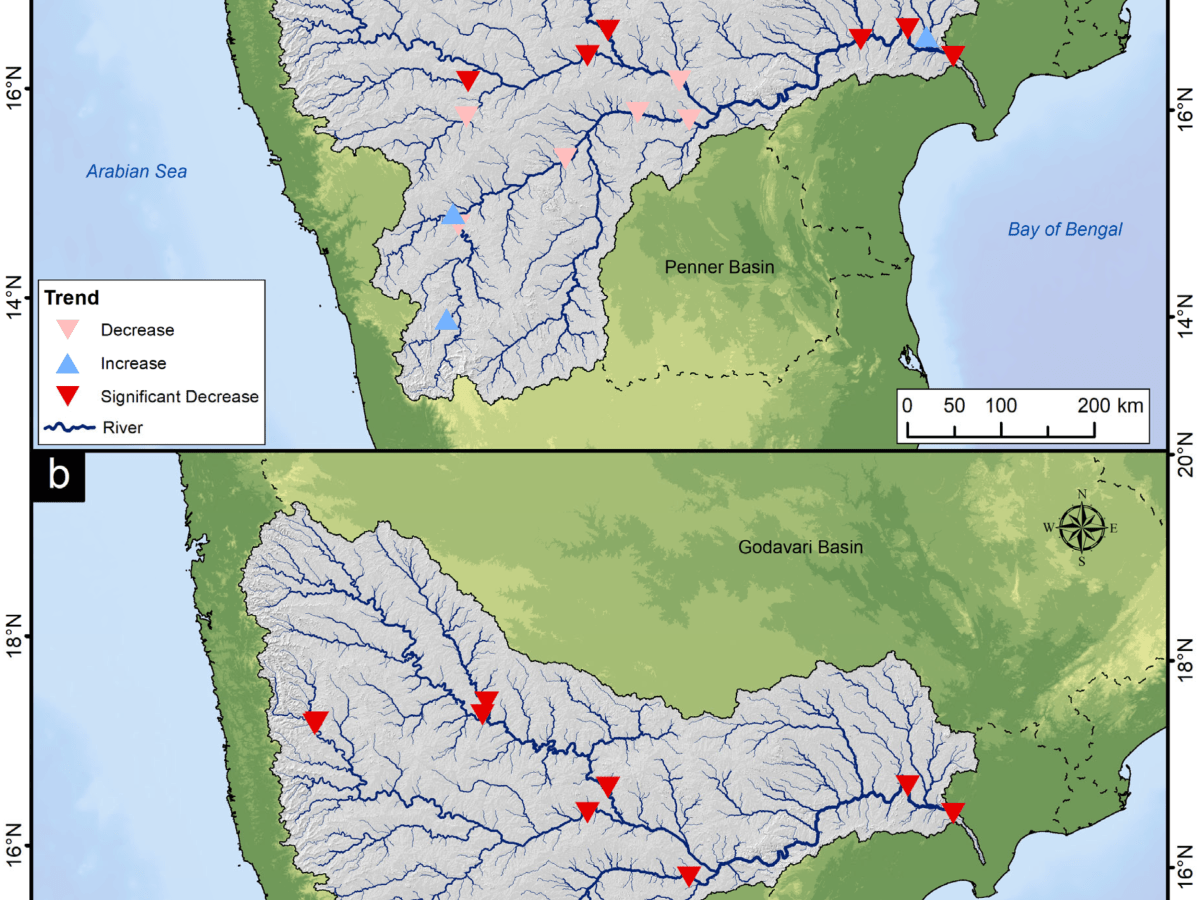
Climatic and Anthropogenic Influences on Long-Term Discharge and Sediment Load Changes in the Second-Largest Peninsular Indian Catchment
In recent decades, understanding how climate variability and human activities drive long-term changes in river discharge and sediment load has become a crucial field of research in fluvial geomorphology, particularly for South Asia’s densely populated and environmentally sensitive regions. This study analyses spatio-temporal trends in water discharge (Qd) and…

EURAD state-of-the-art report: development and improvement of numerical methods and tools for modeling coupled processes in the field of nuclear waste disposal
The Strategic Research Agenda (SRA; https://www.ejp-eurad.eu/publications/eurad-sra) of the European Joint Programme on Radioactive Waste Management (EURAD; https://www.ejp-eurad.eu/) describes the scientific and technical domains and sub-domains and knowledge management needs of common interest between EURAD participant organizations. Theme number 7 is entitled “Performance assessment, safety case development and safety analyses.” A list…
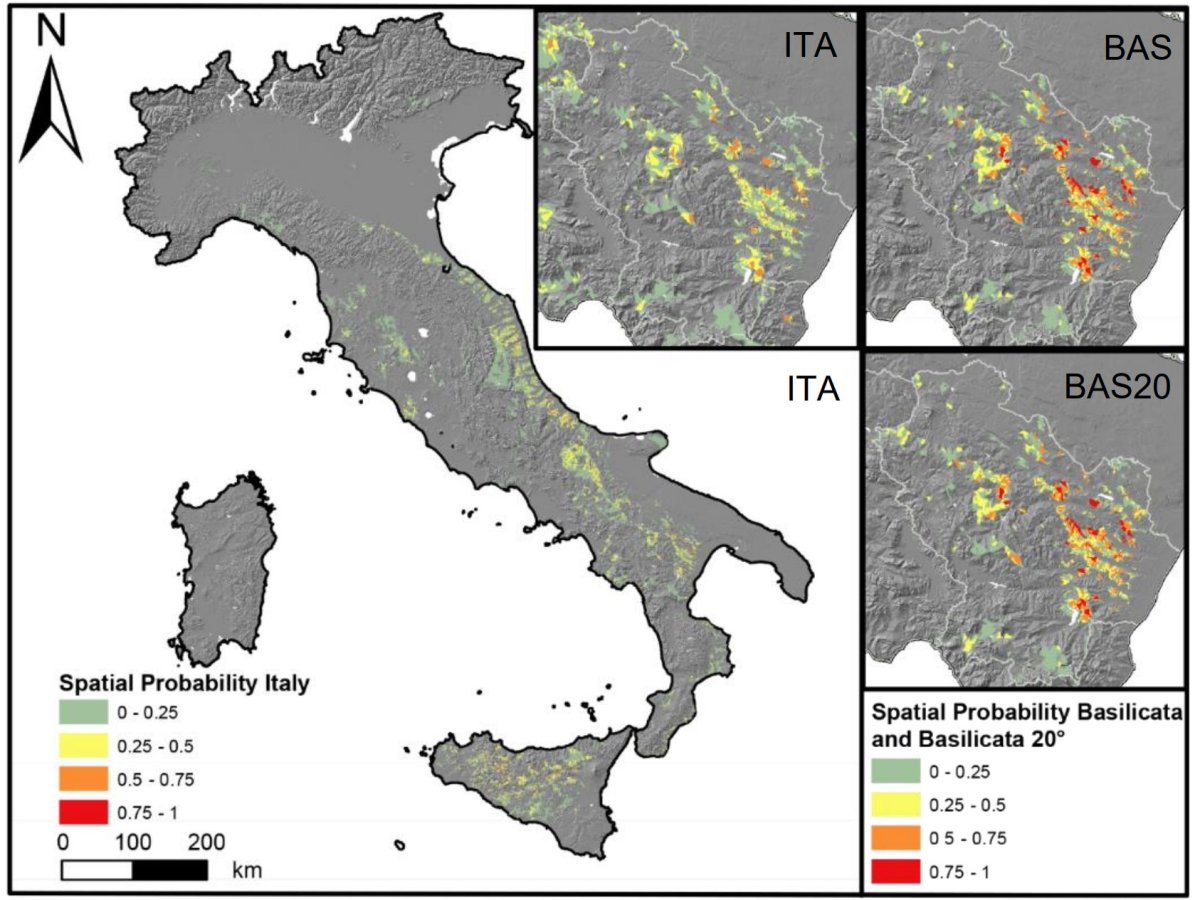
Assessing the Influence of Temperature on Slope Stability in a Temperate Climate: A Nationwide Spatial Probability Analysis in Italy
In a study on slope stability, the influence of temperature on clay behaviors was investigated. Field evidence of thermally-induced landslides is limited, and the complexity of thermo-hydro-mechanical processes makes modeling challenging. Spatial modeling in Italy revealed a positive correlation between land surface temperature and landslide occurrence, particularly in regions…

A benchmark dataset and workflow for landslide susceptibility zonation
Landslide susceptibility shows the spatial likelihood of landslide occurrence in a specific geographical area and is a relevant tool for mitigating the impact of landslides worldwide. As such, it is the subject of countless scientific studies. Many methods exist for generating a susceptibility map, mostly falling under the definition…
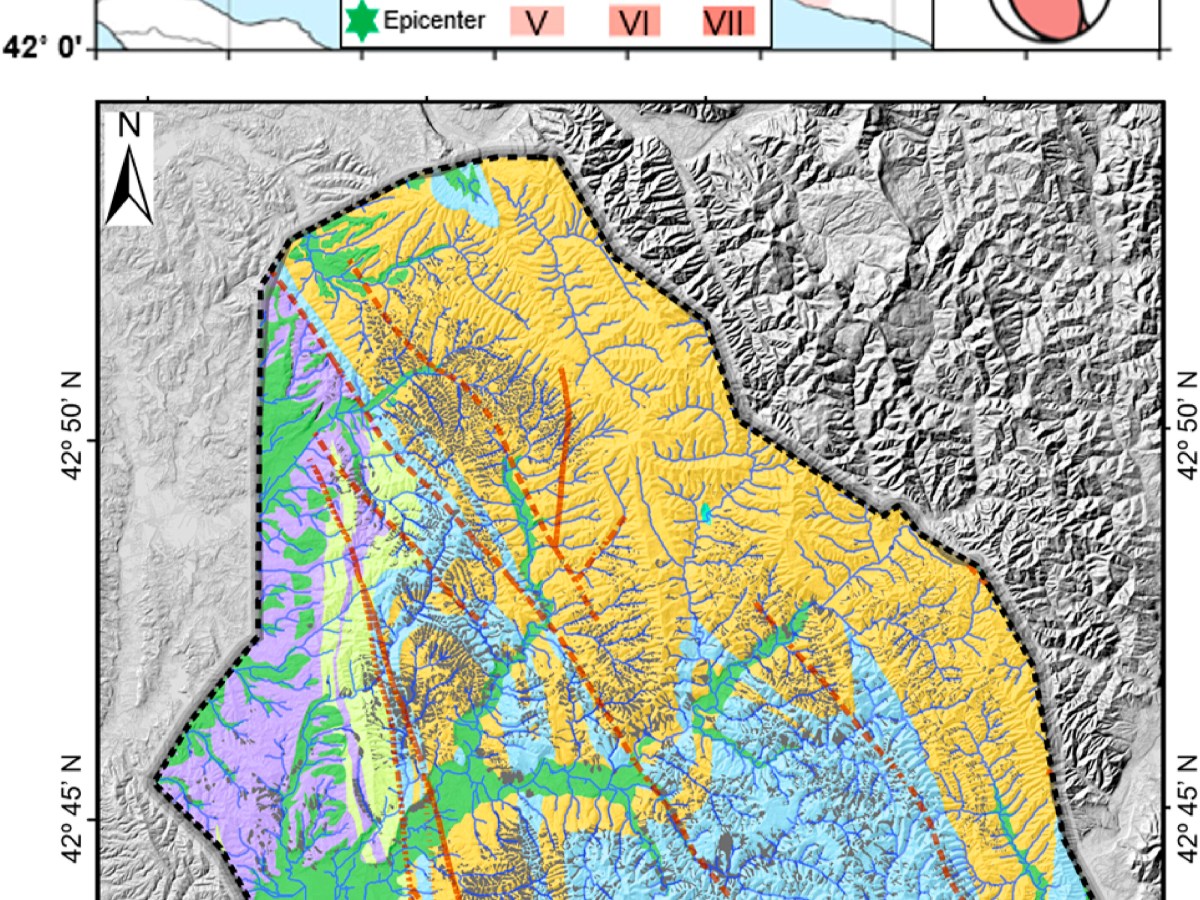
Post-seismic topographic shifts and delayed vegetation recovery in the epicentral area of the 2018 Mw 6.6 Hokkaido Eastern Iburi earthquake
The 2018, Mw 6.6 Hokkaido Eastern Iburi earthquake in Japan triggered over 10,000 landsliding in an area spanning about 500 km2, altering the local topography and leading to the accumulation of loose deposits on hillslopes and in valleys. However, a comprehensive post-seismic landslide inventory and an assessment of topographic changes are…
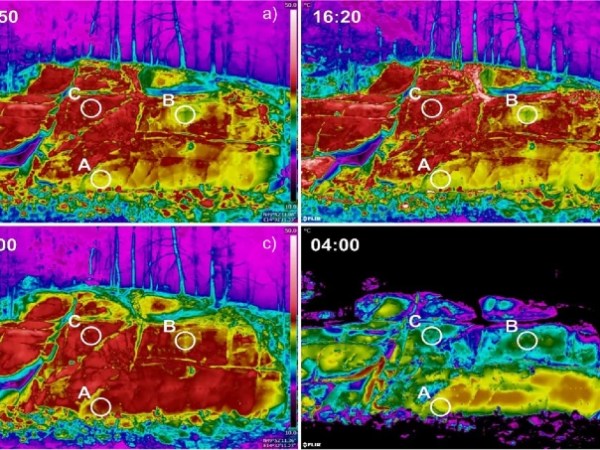
Infrared thermography reveals weathering hotspots at the Požáry field laboratory
Evaluating physical properties and mechanical parameters of rock slopes and their spatial variability is challenging, particularly at locations inaccessible for fieldwork. This obstacle can be bypassed by acquiring spatially-distributed field data indirectly. InfraRed Thermography (IRT) has emerged as a promising technology to statistically infer rock properties and inform slope…

Investigating the dynamic process of a rock avalanche through an MLS-MPM simulation incorporated with a nonlocal μ(I) rheology model
Rock avalanches typically entail the flow-like motion of angular rock blocks and fragments of diverse size. Numerical simulations are instrumental in understanding their dynamic process, supporting hazard and risk assessments. Simplified failure criteria, such as the Mohr-Coulomb or Drucker-Prager, are commonly adopted in landslide models relying on the material…
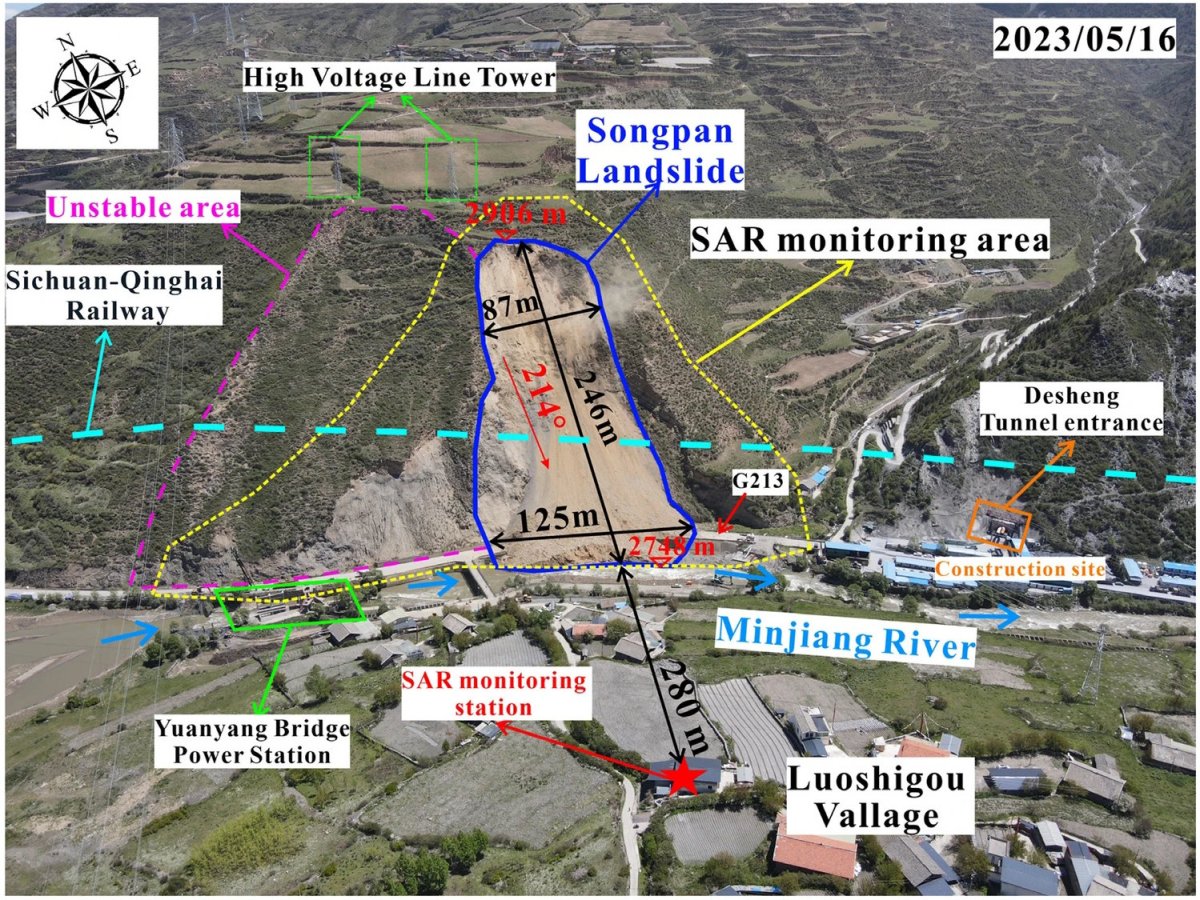
Successive landsliding on the G213 National Highway, a section of the Sichuan‑Qinghai traffic corridor
A landslide in China’s Sichuan Province on May 10th, 2023, caused extensive damage, impacting the G213 National Highway, Minjiang River, and power supply lines. The incident posed a threat to downstream residents and the newly-built Sichuan-Qinghai Railway. This study analyzes the landslide’s geological features, failure process, and recommends monitoring…

Temperature and shear-rate effects in two pure clays: Possible implications for clay landslides
This study investigates temperature fluctuations in landslide shear zones and their impact on the stability of clay slopes. The research reveals that changes in ground temperature can significantly affect the stability of shallow landslides, highlighting the importance of considering temperature-dependent factors in landslide hazard assessments for clay-rich soils. The…
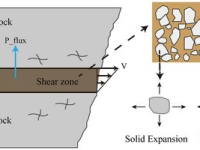
Assessing the Efficiency of Thermochemical Pressurization in the Jiweishan Rockslide
Thermochemical pressurization is a possible weakening mechanism that could explain the hypermobility of large landslides in carbonate rock. However, the factors controlling the efficiency of this mechanism in generating hypermobility have not been elucidated.
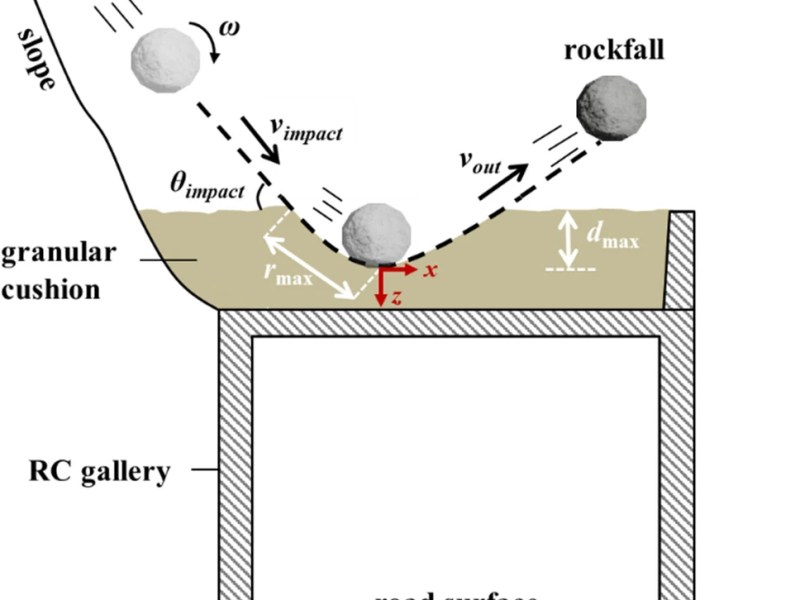
A semi-empirical impact force model of irregular rockfall on granular layer and its experimental validation
In mountainous regions, rockfalls threaten traffic safety. One effective protection method is using granular layers to cover galleries. However, quantifying the impact for structural design is challenging due to various factors. A proposed semi-empirical model introduces a dimensionless parameter (α) to evaluate the maximum impact force, showing dependency on…

Rate-dependency of residual shear strength: implications for landslide evolution
Shear-rate weakening or strengthening behaviours can effectively control landslide runouts, defining sudden runaway sliding or years-long slow-creep phases. These behaviours are partly controlled by the properties of the basal material. Understanding its stress-strain-time response is crucial in physically-based assessments of landslide dynamics and the associated risk. In this research,…

Patterns of active and relict landslides reveal distinct triggers
To understand the factors that make certain areas especially prone to landslides, statistical approaches are typically used. The interpretation of statistical results in areas characterised by complex geological and geomorphological patterns can be challenging, and this makes the understanding of the causes of landslides more difficult. In some cases,…

Infrared thermography can inform on soil physical properties
Knowledge of physical and mechanical properties of geomaterials is fundamental to characterise their response to external mechanical and climatic forcings at various scales. This is true in slope stability assessments, civil engineering works, and agriculture. The direct evaluation soil properties in situ can be difficult, especially in inaccessible or…

A thermo-hydro-mechanical approach to soil slope stability under climate change
Landslide initiation and dynamics are approached with different methods according to the scale of investigation. Individual landslides are typically described by studying the mechanical response to the hydrological input resulting from atmosphere-soil interaction. As the scale increases, physically-based models are gradually simplified, and finally give way to statistical approaches.…

Ice-rock avalanches are becoming more frequent with climate change
In this paper, we focused our attention on the increasingly frequent glacier-rock avalanches (GRAs) in Sedongpu gully in the eastern Himalayas. These events, triggered by the detachment of both glacier and rock materials, blocked the course of the Yarlung Zangbo River (the upper stream of the Brahmaputra in Tibet,…

Earthquake-induced chains of geologic hazards
Strong earthquakes in mountainous regions trigger chains of events that modify mountain landscapes over days, years, and millennia. Earthquake shaking can cause many tens of thousands of landslides on steep mountain slopes. Some of these sudden slope failures can block rivers and form temporary lakes that can later collapse…
 The Geohazards Group